
Dark spots don’t just appear out of nowhere. Sun damage sneaks up on you. Hormonal changes leave their mark. And suddenly, your reflection shows patches you’d rather not see. You try creams, serums, and miracle promises, but the spots remain stubborn.
If you’re dealing with pigmentation issues and searching for solutions, you’re not alone. A chemical peel for pigmentation offers real results when topical treatments fall short. But how do you know which is the best chemical peel for your concerns?
This guide walks you through everything you need to know: what actually works, what happens during treatment, and how to pick the right option for your skin.
Understanding Pigmentation: What Causes Dark Spots
Your skin produces melanin, the pigment that gives your skin its natural colour. Sometimes, this production goes into overdrive. Sun exposure triggers excess melanin, and hormones shift during pregnancy or while taking birth control. And even acne leaves behind stubborn marks.
These dark patches, whether from melasma, sun damage, or post-inflammatory hyperpigmentation, resist most over-the-counter treatments. They sit in different layers of your skin. That’s where a chemical peel for dark spots becomes necessary to reach deeper pigmentation.
How Chemical Peels Target Pigmentation
A chemical peel for pigmentation works differently from your daily skincare routine. These treatments use carefully formulated acids to remove damaged outer layers of skin. As old skin sheds, fresh skin emerges with a more even tone and reduced discolouration.
The process is actually quite controlled. The depth of treatment varies based on your specific needs. Light peels refresh the surface. Medium peels penetrate deeper to address persistent concerns. The right peel targets pigmentation at its source.
Uneven skin tone? Discover the right chemical peel plan at Sculpta Aesthetics.
Types of Chemical Peels for Dark Spots
The best chemical peel treatment depends on your skin pigmentation type, natural skin tone, and tolerance for downtime. Each peel works differently, targeting specific layers of discolouration while balancing safety, effectiveness, and recovery needs to deliver visible, long-term improvement. Let’s take a walk through the types of peels:
Glycolic Acid Peels
These alpha-hydroxy acid treatments gently exfoliate the top layer of skin. They’re ideal for mild discolouration and uneven tone. The acid breaks down bonds between dead skin cells, revealing brighter skin underneath.
Salicylic Acid Peels
As a beta hydroxy acid, salicylic acid penetrates oil-filled pores effectively. This makes it excellent for treating acne-related dark spots. It also reduces inflammation, minimising the risk of new pigmentation.
TCA Peels
Trichloroacetic acid peels penetrate deeper into skin layers. They address more significant pigmentation issues, including melasma and sun damage. These require more downtime but deliver impressive results.
Mandelic Acid Peels
Derived from almonds, mandelic acid works more slowly than other acids. This gentler approach suits sensitive skin types. It effectively treats discolouration without causing excessive irritation.
Combination Peels
Many clinics now offer custom formulations. These combine multiple acids to target various pigmentation concerns simultaneously. The VI Peel, for instance, blends several ingredients for comprehensive treatment.
Benefits of Chemical Peels Over Topical Treatments
A chemical peel for dark spots doesn’t just temporarily lighten pigmentation. The treatment addresses multiple factors that contribute to discolouration.
- First, it removes the accumulated melanin sitting in your skin’s outer layers.
- Second, it stimulates cell turnover, bringing fresh, evenly pigmented cells to the surface.
- Third, many peeling agents actually inhibit melanin production, preventing new dark spots from forming.
This three-pronged approach explains why chemical peels often outperform topical treatments. Creams can only work on the surface. Peels create controlled exfoliation that reaches where pigmentation actually lives.
What the Treatment and Healing Process Looks Like
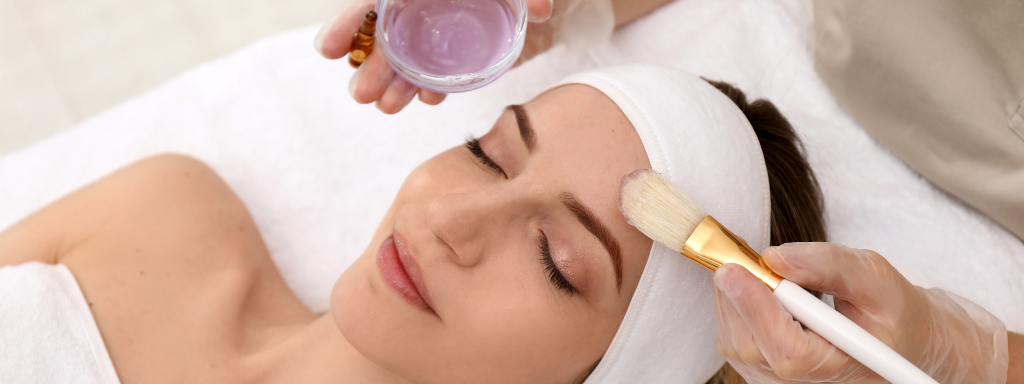
A chemical peel for pigmentation begins with a detailed skin assessment to determine pigmentation type and depth, as well as overall skin health. On treatment day, the skin is cleansed, and the peel is applied evenly to targeted areas. A mild tingling or warming sensation is normal and temporary, with application time determined by peel strength and skin response.
Recovery depends on the depth of the chemical peel for pigmentation. Light peels may cause mild flaking for a few days with minimal downtime, while medium peels lead to visible peeling between days three and seven. Results appear gradually, with early improvement within a week and continued brightening as fresh, even-toned skin replaces pigmented layers.
Getting optimal results involves proper preparation. After you get a chemical peel for dark spots, sun protection becomes absolutely critical. Your fresh skin is highly sensitive to UV damage. Even brief sun exposure can trigger new pigmentation. Daily SPF 50+ sunscreen is non-negotiable for maintaining your results.
Experience Expert Chemical Peel Treatment at Sculpta Aesthetics
Treating pigmentation requires both science and artistry. At Sculpta Aesthetics, we understand that every person’s skin tells a different story. Our experienced team assesses your unique concerns before recommending the right chemical peel for pigmentation treatment.
We use medical-grade formulations proven effective for various pigmentation types. Our approach emphasises safety alongside results, particularly for diverse skin tones. Each treatment plan is tailored to your lifestyle, skin type, and aesthetic goals.
Sculpta Aesthetics offers the best chemical peel treatment in Mumbai, with convenient access to advanced skincare services. Our facility maintains the highest standards of hygiene and patient care. We guide you through every step, from initial consultation through complete recovery.
FAQs
1. Is a chemical peel for pigmentation safe for all skin tones?
Yes, chemical peel treatment is safe when performed by experienced professionals. Proper assessment, appropriate peel selection, and careful technique minimise risks. Pre-treatment preparation and post-care protocols ensure safety and optimal results for diverse skin types.
2. How soon will results appear from the best chemical peel treatment?
Initial improvements appear within one week as treated skin peels away. Full results develop over four to six weeks as fresh skin emerges. Multiple sessions spaced several weeks apart typically deliver the most dramatic and lasting improvements.
3. Can chemical peels completely remove stubborn melasma and sun spots?
A chemical peel for dark spots significantly reduces pigmentation visibility, though complete removal isn’t always guaranteed. Results depend on pigmentation depth, skin type, and treatment consistency. Maintenance sessions and strict sun protection help preserve improvements effectively.
4. What makes Sculpta Aesthetics the ideal choice for the best chemical peel treatment?
Sculpta Aesthetics combines advanced medical-grade formulations with experienced providers who understand diverse skin types. We create personalised treatment plans and maintain the highest safety standards. Our comprehensive approach ensures both immediate results and long-term skin health.
5. Which peel works best for post-acne pigmentation?
Salicylic acid peels work exceptionally well for post-acne pigmentation by penetrating pores and calming inflammation. At Sculpta Aesthetics, we may also recommend customised combination peels tailored to your scarring depth, skin type, and pigmentation severity for more effective, balanced results.